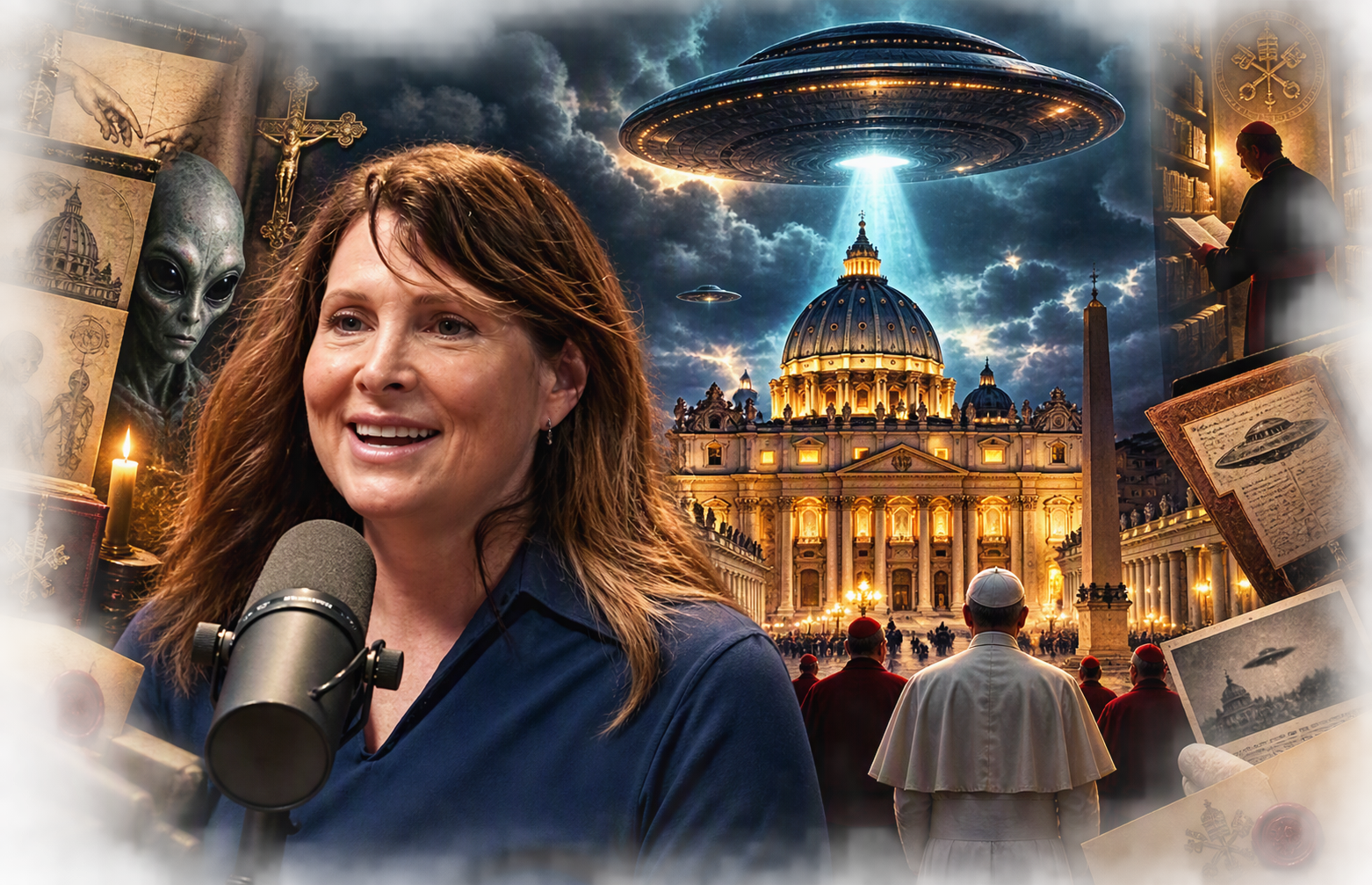
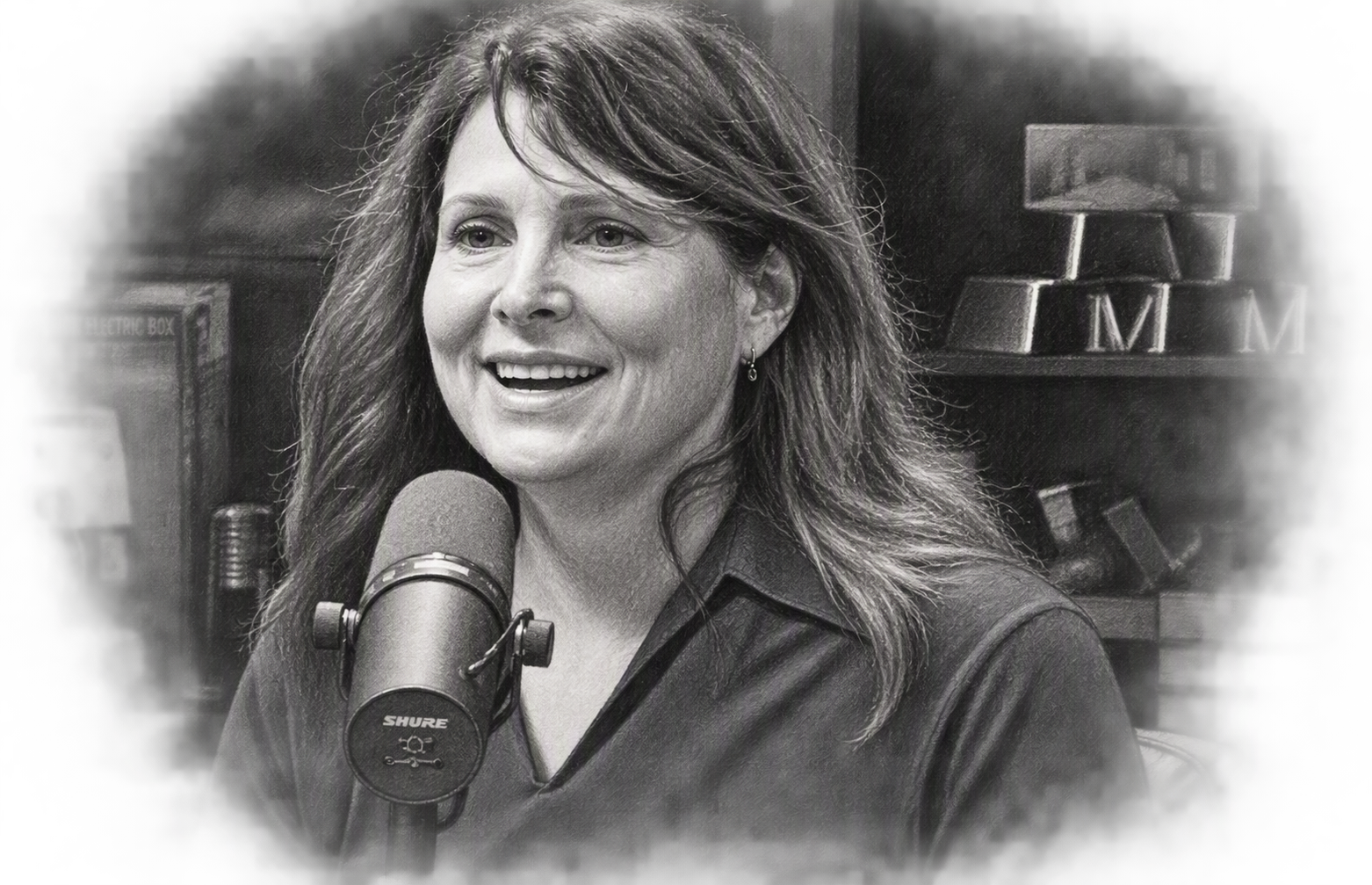
Pasulka started her career digging through dusty libraries and old archives that are completely off the internet. She spent years examining historical manuscripts, including records of nineteenth century children who described near-death visions.
Her archival work eventually brought her straight into the Pope’s private Vatican Secret Archives under heavy armed guard. Deep in those subterranean rooms, she translated trial records from the Spanish Inquisition detailing sworn testimonies of levitating figures.
She studied Saint Joseph of Cupertino, a seventeenth century priest documented by thousands of witness signatures for flying into the air during prayer. Witnesses who touched Joseph even floated up into the sky with him, an effect sci-fi author Arthur C. Clarke called private gravity.
She also translated records for Saint Maria of Agreda, a Spanish nun who flew across the globe on angel wings to teach indigenous tribes in the American Southwest while staying inside her cell. Yale historian Carlos Eire analyzed these historical worldviews in his book They Flew, showing that reports of flying humans happened long before modern UFOs.
The New Mexico trip
When Pasulka began sharing her historical research at academic conferences, government officials took notice. Intelligence officers and aerospace insiders emailed her university account to request her source material.
This outreach led her to meet a high-level space defense insider known as Tyler. During their first lunch in Atlanta alongside scholar Jeffrey Kripal, Tyler secretly wore hidden video and surveillance recording equipment.
Soon after, Tyler invited Pasulka on an expedition into the New Mexico high desert to hunt for crash debris from an alleged 1940s UFO event. Pasulka brought Stanford scientist Gary Nolan along for the trip. The pair put on blindfolds inside a car and rode across rocky desert terrain for forty-five minutes.
Once out of the car, they put on rattlesnake boots and used metal detectors across the dry ground. Pasulka noticed the landscape looked like a set from The X-Files, showing how real places turn into sacred sites through media coverage.
About the X-Files episode
A comment on Reddit says:
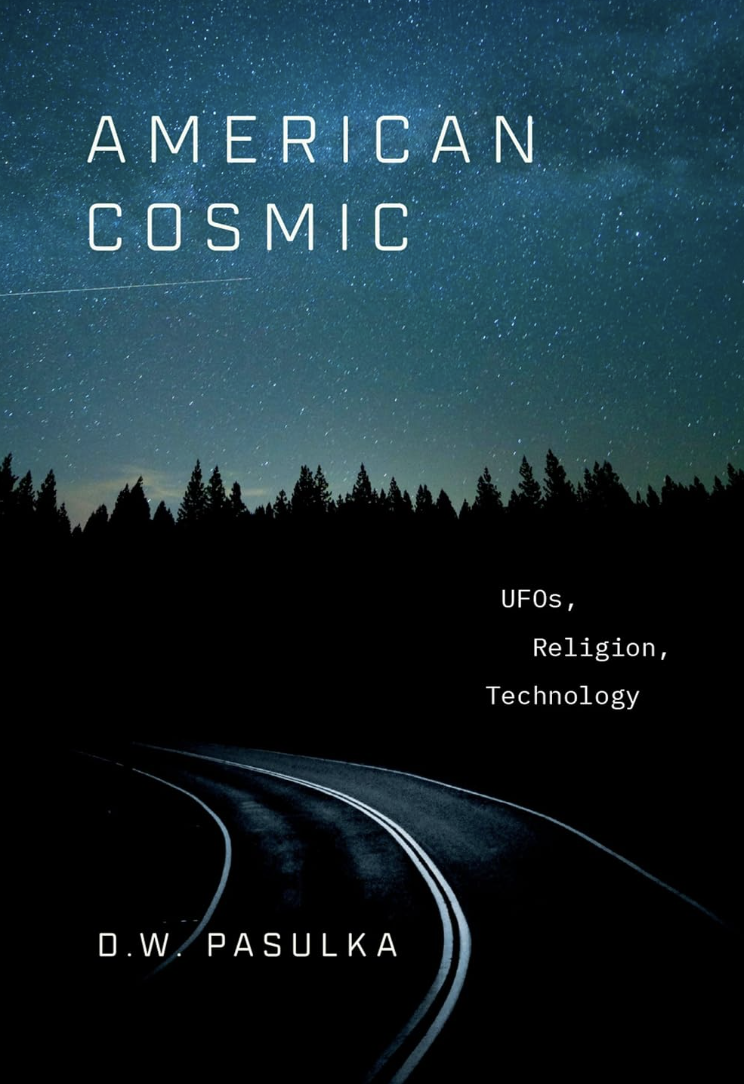
“Almost 2 years had passed since Tyler had taken me and James blindfolded to ground zero of the UFO myth in New Mexico. Now, as the culmination of our work together, I took Tyler to Rome to ground zero of the Catholic faith.”
This was their trip to the Vatican in 2017. That would put the New Mexico desert vist at 2014 – 2015, well before Season 11 of The X-Files aired. (Season 11 aired in 2018.)
Therefore, when she’s referring to episode 1 of the last season, it was Season 10.
Link to the Vatican document showing their visit was in 2017, putting the New Mexico trip in 2015: https://web.archive.org/web/20230601233027/https://www.vaticanobservatory.va/media/attachments/2022/05/05/ar2017.pdf
Scene from X-Files My Struggle 2015
Searching the desert floor, the team picked up unusual metallic debris. The fragments looked shiny and iridescent with a rough texture that resembled frog skin.
When they flew back to Albuquerque, Tyler predicted that Nolan’s backpack containing the metal would trigger a special airport security alarm. Sure enough, the alarm went off and security officers detained a nervous Nolan for questioning, while Tyler strolled through without any search at all. Pasulka realized Tyler set up this entire spectacle to build belief and conviction.
Nolan took the metallic fragments back to his laboratory for testing. His initial tests revealed anomalous isotopic ratios. Based on those early lab results, Nolan told Pasulka that the material could not have been made on this planet.

Philosophical and Cultural Frameworks
To make sense of how media shapes what we see, Pasulka looks back to ancient Greece. She cites Plato’s Republic, pointing to the story of the soldier Er who returned from the dead 2,500 years ago as an early example of afterlife literature.
She also brings up Plato’s dialogue Phaedrus, where Socrates warns that writing externalizes human memory. Socrates called internal memory retrieval anamnesis and warned that technology degrades our ability to think for ourselves. Pasulka connects this warning to modern artificial intelligence and social media, which alter brain chemistry and strip away internal reflection.
She applies Plato’s Allegory of the Cave to show how digital media inundates us with shadow images and algorithmic propaganda. Veteran researcher Jacques Vallée, author of Messengers of Deception, warned Pasulka to stay cautious because government networks actively manipulate public opinion using controlled leaks and fake displays.
Conclusion and Takeaways
Just weeks before American Cosmic went to print, government officials repeatedly contacted Pasulka demanding the real names of the scientists in her manuscript. She refused to give up their identities, staying committed to independent academic work.
Pasulka warns that while non-human contact phenomena are very real, official disclosure campaigns are heavily saturated with military propaganda and narrative control. She urges readers not to accept government displays at face value.
Instead, she encourages people to protect their own minds, limit digital media noise, and cultivate their internal spiritual life.